
Heads up: TerrierBeagleLab may earn a small commission from qualifying purchases made through links in this article, at no extra cost to you. We only recommend products we believe are genuinely useful for Jack Russell, Beagle, and Labrador owners.
Senior Labradors often stay affectionate and eager to be involved in family life, but aging changes what comfort and good care look like. A strong senior-care plan is not about assuming decline. It is about adjusting routines early enough to protect mobility, weight, comfort, and quality of life while the dog still has plenty to enjoy.
Quick Answer
A senior Labrador care checklist should include weight monitoring, joint and mobility support, regular veterinary follow-up, adjusted exercise, dental care, home comfort changes, and close observation of behavior and appetite. Many older Labs do best when owners make small supportive changes before obvious problems become large ones.
Why Senior Labs Need a Different Plan
Labradors often stay enthusiastic long after their bodies start aging. That can make it easy to miss stiffness, slower recovery, hearing changes, or gradual weight gain. Senior care is less about doing dramatic things and more about paying better attention to details that matter every day.
Senior Labrador Care Checklist
- Weight review: keep body condition lean to reduce joint strain.
- Mobility check: notice stiffness, slower rising, or reluctance to jump.
- Exercise adjustment: keep movement regular but lower impact.
- Dental care: continue oral care and watch for chewing discomfort.
- Veterinary monitoring: stay current with wellness visits and age-related screening.
- Home support: improve traction, bedding, and ease of access.
- Behavior observation: changes in sleep, appetite, or interaction matter.
Exercise Should Change, Not Disappear
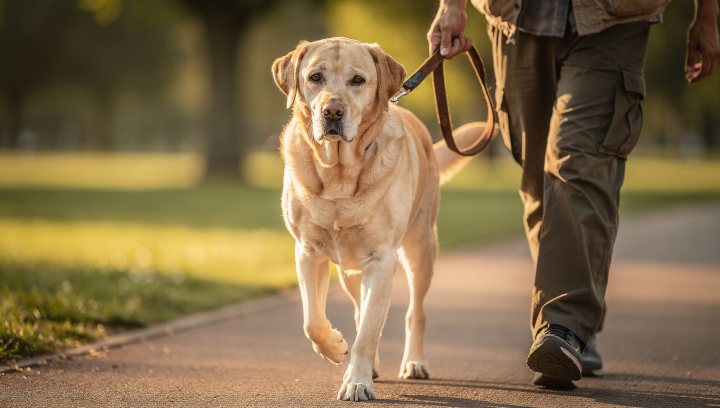
Older Labs still need movement. Regular walks, gentle sniff outings, swimming when appropriate, and light activity help preserve comfort and strength. The goal is steady support, not demanding performance.
Weight Control Becomes Even More Important
Extra pounds are hard on aging joints. Senior dogs often need fewer calories than adults in their prime, even if appetite stays strong. Monitoring body condition may do as much for comfort as any single supplement or gadget.
Watch for Small Changes
- hesitation on stairs
- sleeping more or moving less
- slower recovery after walks
- changes in appetite or thirst
- new accidents in the house
- reduced interest in play
These changes do not always signal severe illness, but they do tell you the care plan may need adjusting.
Home Changes That Help
Rugs on slippery floors, supportive bedding, easier access to favorite resting areas, raised bowls for some dogs, and less pressure to keep up with younger-dog routines can all improve senior comfort meaningfully.
Final Takeaway
A senior Labrador care checklist is really a reminder to slow down, observe more carefully, and support your dog proactively. Aging Labs often continue to enjoy life greatly when their routines are adjusted with comfort, mobility, and daily practicality in mind.