
Heads up: TerrierBeagleLab may earn a small commission from qualifying purchases made through links in this article, at no extra cost to you. We only recommend products we believe are genuinely useful for Jack Russell, Beagle, and Labrador owners.
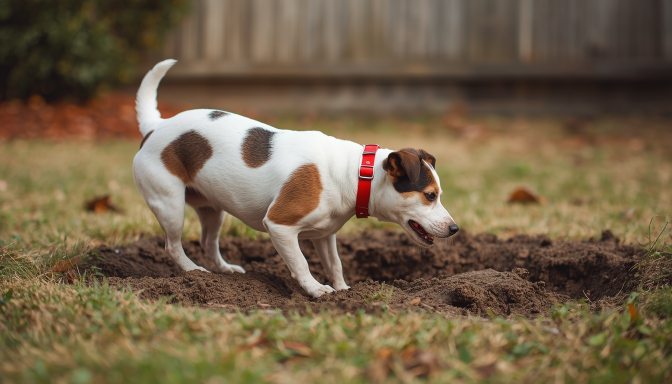
Digging is one of the most predictable Jack Russell behaviors because the breed was developed to be bold, persistent, and highly motivated by movement and underground scent. The answer is rarely to simply say no. Real progress usually comes from giving the dog a better outlet, preventing rehearsal in the wrong spots, and making daily life less frustrating.
- Quick Answer
- Why Jack Russells Dig
- Step 1: Figure Out the Pattern
- Step 2: Stop Free Practice in Problem Areas
- Step 3: Create an Approved Dig Zone
- Step 4: Add Better Daily Outlets
- Step 5: Watch for Fence-Line Frustration
- What Not to Do
- A Sample Daily Prevention Routine
- Can You Ever Eliminate Digging Completely?
- When to Get Extra Help
- Final Takeaway
Quick Answer
The best Jack Russell Terrier digging solutions are to identify why your dog is digging, block access to high-value digging spots, add more physical and mental outlets, and provide an approved place where digging is allowed. Most Jack Russells improve when owners channel the behavior instead of trying to shut it off completely.
Why Jack Russells Dig
Jack Russells are terriers, which means digging is not random bad behavior. It is closely tied to instinct, arousal, boredom, prey interest, and problem-solving drive. Some dogs dig because they hear or smell something in the yard. Others dig because they are under-stimulated and need an outlet. Some dig at fences from frustration. The cause shapes the fix.
Step 1: Figure Out the Pattern
Notice when your dog digs most. Is it during quiet afternoons in the yard, after being left alone, near the fence, or in one specific shady corner? A dog digging to cool down needs a different solution from a dog digging because squirrels pass by the fence every morning.
Step 2: Stop Free Practice in Problem Areas
If your Jack Russell keeps rehearsing the same yard destruction every day, the habit gets stronger. Use leashes, x-pens, temporary fencing, landscaping barriers, or supervised yard time while you retrain. Prevention is part of the training plan, not a separate issue.
Step 3: Create an Approved Dig Zone
Many terriers do better when they have a legal place to dig. A sandbox, designated loose-soil corner, or raised dirt area can work well. Bury toys or treats lightly so your dog learns that this is the place where digging pays off. Praise and reward when your dog uses the approved spot.
This approach respects the breed instead of fighting it head-on.
Step 4: Add Better Daily Outlets
A Jack Russell that is physically active but mentally underworked may still dig. Add short training sessions, scent games, puzzle feeders, tug with rules, flirt pole sessions in moderation, and problem-solving games. Digging often drops when the dog has a clearer daily job.
Step 5: Watch for Fence-Line Frustration
If your dog digs near the edge of the yard, look for triggers beyond the fence. Dogs, wildlife, pedestrians, and neighborhood sounds can all create barrier frustration. In that case, adding a dig pit alone may not fix the problem. You may also need visual barriers, better recall practice, and more supervised outdoor time.
What Not to Do
- Do not punish after the fact. Your dog will not connect it clearly to earlier digging.
- Do not expect a terrier to stop digging with no replacement outlet.
- Do not rely only on yard access as “exercise.”
- Do not give full freedom back before the new habit is established.
A Sample Daily Prevention Routine
Start with a morning walk or sniff session, add one short training block, give a food puzzle midday, and supervise yard time in the afternoon with access to the approved dig zone. If your dog chooses the right place, reward it. If your dog heads toward the old spot, interrupt early and redirect before the digging starts.
Can You Ever Eliminate Digging Completely?
Sometimes you can reduce it to a minor issue. Sometimes the more realistic goal is control and channeling. With a breed like the Jack Russell, success often means no longer having surprise yard destruction because the behavior has been given a safer, more controlled outlet.
When to Get Extra Help
If the digging is paired with frantic pacing, escape attempts, or extreme arousal, the issue may be broader than simple boredom. In those cases, a qualified trainer can help you separate instinctive behavior from anxiety or containment frustration.
Final Takeaway
The most effective Jack Russell Terrier digging solutions combine management, enrichment, and permission in the right place. This breed was built to be persistent. Your best results come when you work with that drive instead of pretending it is not there.